
Beauty as Cultural Language: Power, Identity & Reclamation
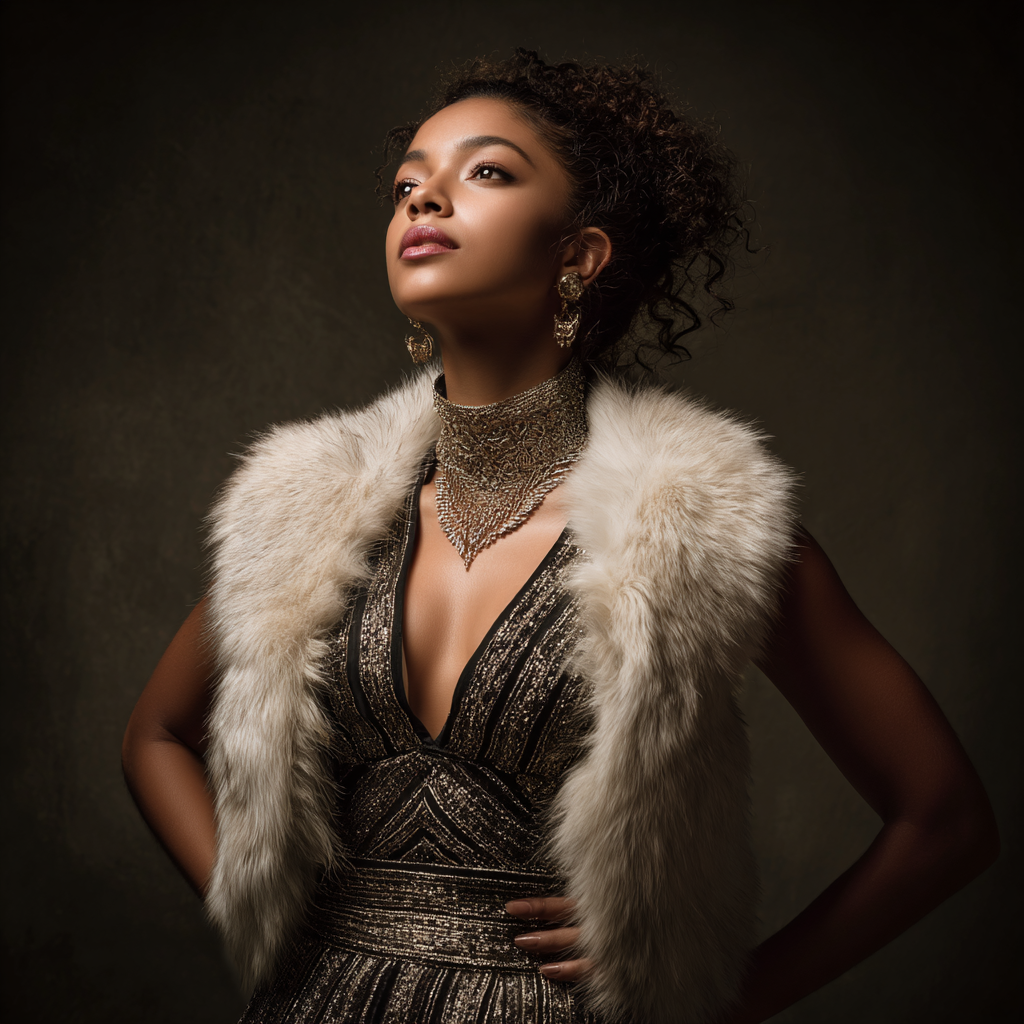
Beauty has never been neutral.
Long before it was reduced to trends, routines, or billion-dollar product lines, beauty functioned as language, a way communities signaled belonging, resistance, status, spirituality, and survival. For Black and diasporic cultures in particular, beauty has always spoken when words were denied, distorted, or dangerous.
To talk about beauty without context is to miss its purpose entirely. Beauty is not decoration. It is communication.
Beauty as a System of Meaning
Every culture assigns meaning to the body. Hair, skin, adornment, posture, scent, and presentation operate as codes — silently understood within communities and loudly misinterpreted outside of them.
For Black communities, beauty evolved under pressure. Enslavement, colonization, and assimilation didn’t just attempt to control land and labor; they attempted to control image. European beauty standards were enforced not simply as preference, but as power, a visual hierarchy that dictated who was seen as human, desirable, employable, and safe.
In response, Black beauty became adaptive. Braids became maps. Scarification became lineage. Headwraps became protection and proclamation. Even in forced proximity to whiteness, beauty remained a site of encoded identity.
Beauty learned how to speak in survival mode.
The Politics Embedded in Aesthetics
What we call “beauty standards” are rarely about beauty. They are about order.
Straight hair signaled compliance. Lightness signaled proximity to power. Thinness, softness, and restraint signaled acceptability. These aesthetics were rewarded materially….with opportunity, visibility, and safety, while deviation was punished.
This is why beauty has always been political, even when marketed as personal choice. What is framed as “preference” is often policy disguised as taste.
When institutions reward one look repeatedly, that look becomes coded as professional, luxurious, or aspirational. Everything else is labeled alternative, ethnic, edgy, or niche.
Language matters. So does who gets to define it.
Reclamation Is Not a Trend
In recent years, the language of “reclamation” has entered mainstream beauty conversations. Natural hair movements. Inclusive shade ranges. Campaigns featuring melanated skin and non-Eurocentric features.
But reclamation is not innovation.
It is remembrance.
Black communities did not suddenly discover their beauty. What changed was the market’s willingness to profit from what it previously marginalized. This distinction matters, because visibility without power transfer is not liberation, it is extraction.
True reclamation does not ask for permission. It restores authorship.
It looks like:
-
Naming origins without dilution
-
Owning aesthetic narratives without translation
-
Refusing respectability as the cost of recognition
Reclamation is not about being included. It is about being centered.
Beauty, Capital, and Control
The global beauty industry generates hundreds of billions of dollars annually, yet ownership rarely reflects the cultures most mined for inspiration.
This imbalance reveals an uncomfortable truth: beauty is often celebrated at the surface while its creators remain invisible at the structural level.
Cultural aesthetics are borrowed, repackaged, and sold back as trends, stripped of history, risk, and resistance. When the aesthetic travels without the people, beauty becomes costume.
Power is not who wears the look. It’s who profits from it.
Beyond Survival Aesthetics
For generations, Black beauty operated under constraint. It learned how to be strategic, legible, and safe. But survival aesthetics, while ingenious, are not the end goal.
The question now is not whether Black beauty is beautiful.
The question is: what does beauty look like when survival is no longer the primary directive?
When beauty no longer has to negotiate its humanity.
When adornment becomes expression instead of armor.
This is where beauty shifts from reaction to authorship.
Beauty as Cultural Authority
When a culture defines its own beauty language, it defines its values.
What is honored. What is protected. What is passed down.
Beauty becomes a form of cultural authority, a visual archive of who we are, where we come from, and what we refuse to surrender.
This is why beauty will always matter. Because of what it remembers.
The CUFF Perspective
At CUFF Magazine, we examine beauty as a cultural system, not a trend cycle.
Beauty is history made visible. Beauty is power made personal. Beauty is identity speaking in its own voice.
When we treat beauty as language, we stop asking whether it belongs.
We listen to what it has been saying all along.
Get your brand featured in CUFF Magazine!
CUFF spotlights brands, founders, and creatives shaping culture beyond trends, rooted in identity, legacy, and influence. If your work lives at the intersection of purpose, storytelling, and impact, CUFF offers more than exposure. We offer cultural positioning. Our features are designed to elevate your narrative, deepen trust, and place your brand inside conversations that matter.
About CUFF
CUFF is a culture-forward media platform spotlighting women who are redefining power, visibility, and leadership on their own terms. At the intersection of business, healing, creativity, and culture, CUFF curates conversations that go beyond surface-level success to explore identity, legacy, and the real decisions that shape a woman’s rise.
Known for its sharp cultural analysis and emotionally intelligent storytelling, CUFF amplifies women who move with intention—those building aligned lives, meaningful brands, and generational impact. From celebrity profiles to thought leadership and social commentary, CUFF doesn’t just report on power, it interrogates how it’s claimed, protected, and embodied.
CUFF is where soft power meets strategy, and where women see themselves reflected with depth, dignity, and truth. Follow us: Facebook page. Linkedin page. Contact us at admin@cuffmagazine.com.